

How to Break Generational Trauma
- Jeremy

- May 3
- 6 min read
A lot of people asking how to break generational trauma are not asking from a place of curiosity. They are asking because they are tired. Tired of overreacting and then feeling ashamed. Tired of repeating the same relationship patterns. Tired of carrying fear, anger, grief, addiction, or emotional shutdown that did not start with them but somehow lives in them.
If that is where you are, hear this clearly: something being inherited does not mean it is permanent. Generational trauma can move through families for decades, but it can stop with one person willing to face what others had to survive, deny, or bury. That work is not quick, and it is not always gentle. But it is possible.
What generational trauma really looks like
Generational trauma is not just a family story about hardship. It is a pattern that gets passed down through behavior, nervous system conditioning, emotional survival strategies, silence, and sometimes deep ancestral pain that nobody had language for. A parent who learned to disconnect may raise a child who feels unseen. A grandparent shaped by war, abuse, addiction, or displacement may pass down hypervigilance, emotional numbness, or rage without ever speaking about the original wound.
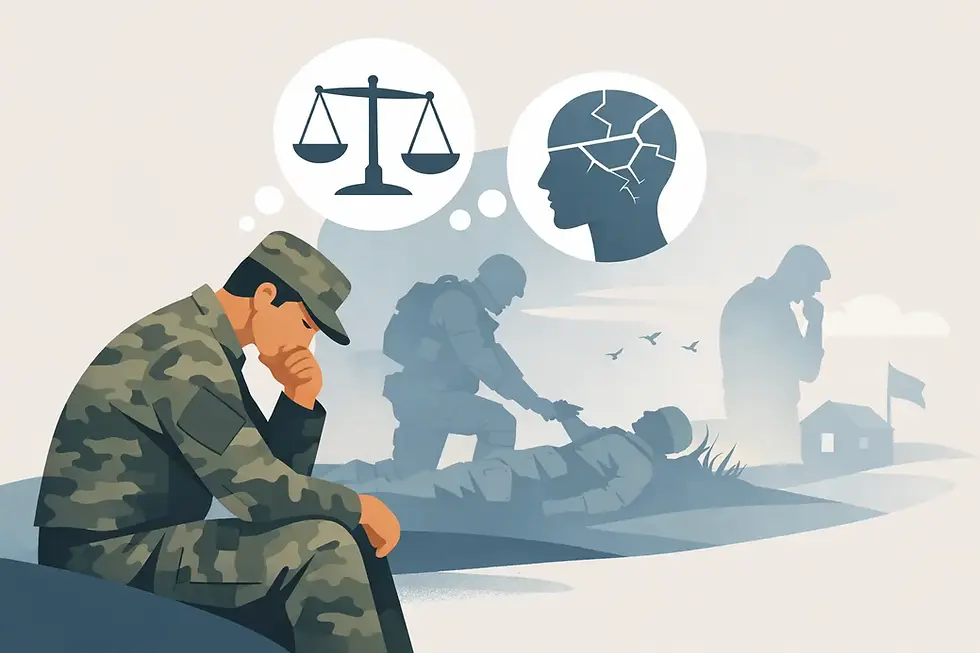
Sometimes it shows up in obvious ways, like domestic violence, substance abuse, or abandonment. Sometimes it is quieter. You may come from a family that looked functional from the outside, but underneath there was chronic fear, control, secrecy, or emotional absence. Many people from military families, first responder families, and homes shaped by unprocessed grief know this pattern well. Love may have been present, but safety was inconsistent.
This is why healing generational trauma is deeper than deciding to be different. Willpower matters, but it rarely reaches the roots by itself. If the body still expects danger, if the soul still carries unfinished grief, and if family patterns still operate like a hidden script, then change requires more than insight.
How to break generational trauma at the root
Breaking generational trauma begins when you stop treating your symptoms like personal failure and start seeing them as adaptations. The anger, shutdown, people-pleasing, addiction, distrust, dissociation, or over-functioning often began as protection. At some point, these patterns helped someone survive. The problem is that what protects you in one season can imprison you in the next.
That shift in perspective matters. Shame keeps trauma in place. Honest compassion starts to loosen it.
From there, real healing usually asks for work on several levels at once. Emotional healing is part of it. Nervous system regulation is part of it. Spiritual and ancestral healing may also be part of it, especially when the pain feels older than your own biography.
For some people, talk therapy helps them name what happened and understand the family system. That can be powerful. But many trauma survivors discover that understanding something is not the same as releasing it. You can know exactly why you react the way you do and still feel your body bracing for impact. That is where deeper work becomes necessary.
You cannot heal what you are still minimizing
One of the hardest parts of this journey is telling the truth without turning it into a performance. Not every family is abusive in the obvious sense, but many are deeply wounded. If you were taught to excuse everything because others had it worse, you may still be minimizing the impact of what happened to you.
Maybe nobody hit you, but nobody protected you either. Maybe your family valued toughness over tenderness. Maybe grief was swallowed, fear was mocked, and vulnerability was treated like weakness. Maybe addiction, infidelity, emotional neglect, or spiritual confusion became normal. The nervous system does not care whether the wound looked dramatic enough from the outside. It responds to what felt unsafe.
Healing starts to move when you stop saying, It was not that bad, and begin asking, What did this teach my body, my heart, and my spirit to believe?
The body often carries what the family never processed
Trauma passes through more than stories. It passes through tone of voice, posture, stress chemistry, attachment patterns, and the constant expectation of threat. A child raised around unresolved trauma often becomes highly attuned to mood shifts, conflict, or emotional withdrawal. Later in life, that can look like anxiety, panic, numbness, insomnia, explosive anger, chronic guilt, or the inability to feel at home in your own life.
This is why body-based healing matters. Breathwork, grounding practices, trauma-informed energy work, and steady relational support can help the body learn what safety feels like instead of just talking about it. There is a trade-off here. Deep healing work can stir things up before it settles them. Old grief may surface. Anger may rise. Fatigue may hit after years of holding everything together. That does not mean the work is wrong. It means the system is beginning to release what it could not process alone.
The key is pacing. Pushing too hard can retraumatize. Avoiding the work completely keeps the pattern alive. The middle path is steady, supported healing that respects the body and honors the soul.
Ancestral healing matters more than many people realize
Some wounds are deeply personal. Others feel inherited. You may notice fears, loyalties, or burdens that do not make sense based only on your own life. This is where ancestral healing can become an important part of the process.
In many families, there are unfinished layers of grief, violence, exile, shame, or survival that were never acknowledged. The living often carry what the dead were unable to resolve. That does not mean you are doomed by your bloodline. It means healing may involve more than your individual psychology.
Spiritual healing traditions have long understood that family lines can carry energetic burdens. When those burdens are witnessed, cleared, grieved, or brought into right relationship, people often experience change that feels deeper than mindset work alone. This is especially true for those who have already done years of personal growth but still feel bound to an invisible weight.
At PNW Shamanic Healing, this is part of how trauma is understood - not as a flaw to medicate away, but as a wound that can exist across emotional, energetic, and ancestral layers. For many people, that framework brings relief because it finally matches what they have been feeling all along.
Boundaries are part of how to break generational trauma
Many people want to heal while staying fully available to the same dynamics that keep harming them. Sometimes that works if family members are accountable and willing to change. Sometimes it does not.
Breaking generational trauma may mean setting limits that feel unfamiliar or even terrifying. You may need to stop being the emotional caretaker. You may need to say no without explaining for an hour. You may need distance from people who confuse access with love. This is not punishment. It is protection.
There is nuance here. Not every relationship needs to end. Not every family member is unsafe. But healing asks you to become honest about what contact costs you. If being around someone consistently pulls you back into fear, shame, or collapse, that matters.
Boundaries do not heal the wound by themselves. But they create the conditions where healing can actually take hold.
What change looks like in real life
People sometimes expect healing to feel dramatic all the time. More often, it looks simple at first. You pause before reacting. You stop chasing chaos because calm no longer feels empty. You recognize when grief is present instead of turning it into anger. You choose a partner who feels safe instead of familiar. You parent differently. You speak differently to yourself. You stop handing your pain to the next generation.
That is what breaking the cycle often looks like. Not perfection. Not never being triggered again. Just a growing ability to stay present, tell the truth, regulate your system, and choose from consciousness instead of inherited survival.
If you are wondering how to break generational trauma, start by giving up the idea that you have to do it through force. This work asks for courage, yes, but also support. The pattern likely formed in relationship, family, and environment. Healing often needs relationship too - safe, skilled, grounded support that can help you process what was too much to carry alone.
You are not weak because this is hard. You are likely the one in the family who can finally feel what others could not. That is a sacred role, even when it is exhausting. And every time you choose truth over denial, regulation over reactivity, and healing over repetition, you are changing more than your own life. You are teaching your line a new way forward.


Comments