

7 Steps of Healing Trauma That Truly Help
- Jeremy

- Apr 21
- 6 min read
Some people can tell you the exact day their life changed. Others carry trauma more quietly - in the body, in the sleep they never quite get, in the rage that shows up too fast, or in the numbness that makes everything feel far away. If you have been searching for the steps of healing trauma, you may already know this truth: healing is rarely a straight line, and it is never just about talking yourself out of pain.
Trauma changes the way a person relates to safety, trust, identity, and spirit. For veterans, first responders, survivors of abuse, people in grief, and those carrying family pain that never had a name, trauma can become a way of living instead of something that happened. Real healing asks for more than symptom management. It asks for restoration at the level of the nervous system, the emotions, the energy body, and the soul.
What the steps of healing trauma really look like
People often want a clean formula. Seven steps, follow them in order, and life opens back up. In practice, healing is more human than that. There are stages that matter, but you may move through them more than once. One step may take weeks for one person and years for another. That does not mean you are failing. It means your system is protecting you in the only way it learned how.
The goal is not to become the person you were before trauma. For many people, that person is gone. The work is to become whole in a new way - steadier, clearer, more connected to your own power.
Step 1 - Create enough safety to begin
Healing does not start when you force yourself to remember everything. It starts when your body gets even a small signal that it is not under immediate threat.
That kind of safety is not just physical. It is emotional, relational, and energetic. You may be living in a safe home and still feel like danger is right around the corner. Hypervigilance, panic, shutdown, nightmares, and dissociation all point to a system that does not yet trust the present.
This stage is often slower than people want. It may involve building better sleep habits, reducing overstimulation, learning simple grounding practices, or working with someone who knows how to stay steady when your nervous system cannot. For some people, breathwork helps. For others, breath can feel overwhelming at first. It depends on how trauma lives in the body.
Safety is not glamorous work, but it is foundational. Without it, deeper healing can feel like re-injury.
Step 2 - Learn your trauma responses without shame
Many survivors think their reactions are proof that something is wrong with them. The truth is usually more compassionate. Your system adapted to survive.
Fight, flight, freeze, fawn, emotional numbing, addiction, overworking, isolation, and spiritual disconnection can all be trauma responses. They may look destructive now, but they once served a purpose. When you understand that, shame starts to loosen its grip.
This matters because shame keeps trauma locked in place. It tells you that you are broken, dangerous, weak, or beyond help. That inner story blocks healing more than most people realize. When a person begins to see their patterns as survival intelligence rather than personal failure, change becomes possible.
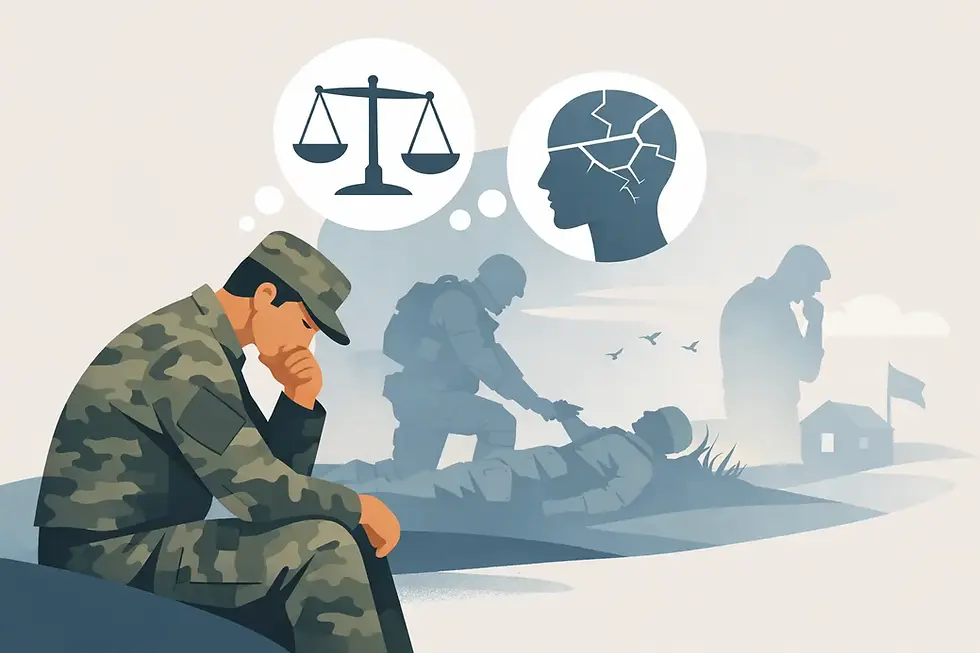
For veterans and first responders especially, this can be a major turning point. Strength is often tied to performance, control, and endurance. But healing sometimes asks for a different kind of strength - the courage to tell the truth about what your body and spirit have been carrying.
Step 3 - Regulate the nervous system before pushing for breakthroughs
A lot of people have been taught to chase catharsis. They want the big release, the single moment that clears everything. Sometimes profound release does happen. More often, long-term healing is built through regulation.
Regulation means helping the body return from survival mode more consistently. It does not mean you never get triggered again. It means the trigger does not own your whole day, your whole relationship, or your whole sense of self.
This can include somatic practices, trauma-informed breathwork, steady spiritual support, and consistent rituals that bring the system back into the present. A regulated body can process what a flooded body cannot. That is why this step matters so much.
There is a trade-off here. If you go too fast, your system may shut down or become more activated. If you go too slowly, you may feel stuck and discouraged. Good trauma healing honors both truth and pacing.
Step 4 - Process the wound, not just the story
Talking about trauma can help, but words alone do not always reach the full imprint. Many people can describe what happened in detail and still feel trapped by it. That is because trauma is not only stored as memory. It is stored as sensation, emotion, belief, and energetic fragmentation.
This is where deeper work often begins. Processing may involve grief, anger, fear, guilt, or the parts of yourself that had to split off to survive. It may involve spiritual pain, loss of faith, or the sense that part of you never fully came back after a certain event.
For some people, healing also includes ancestral burdens or heavy energetic residue that conventional models do not address. When trauma has been layered over generations, the pain you carry may not be entirely yours. Naming that can bring a level of relief that feels almost startling.
This step should be guided with care. Processing is not the same as reliving. You do not have to drown in the memory to heal it.
Step 5 - Reclaim the parts of yourself trauma buried
Trauma narrows identity. It can make a person feel like they are only their diagnosis, their addiction, their worst memory, or their coping pattern. One of the most powerful steps of healing trauma is remembering that you are more than what happened to you.
That reclamation is practical and spiritual. You may need to rebuild boundaries, learn how to feel anger without exploding, reconnect to your body, or repair your ability to receive love. You may also need to reclaim intuition, purpose, voice, and the deeper self that trauma pushed into hiding.
This part of healing often surprises people. Once the crisis state begins to ease, grief can rise. You may grieve lost years, lost innocence, lost relationships, or the version of you that had to disappear to survive. That grief is not a setback. It is part of coming home to yourself.
At PNW Shamanic Healing, this is where many people begin to feel personal power return - not as intensity, but as steadiness.
Step 6 - Repair connection with others and with spirit
Trauma isolates. Even when you are surrounded by people, it can leave you feeling unreachable. Trust becomes hard. Intimacy feels risky. Receiving help can feel more vulnerable than suffering alone.
Healing asks you to rebuild connection in ways that are safe and honest. That may mean learning to ask for support without apology. It may mean choosing relationships that do not feed chaos. It may mean stepping away from people who only know how to relate to the wounded version of you.
For spiritually attuned people, connection with spirit also matters here. Trauma can rupture that bond. Some people feel abandoned by God, cut off from guidance, or energetically exposed and exhausted. Rebuilding spiritual connection can restore meaning where trauma once created emptiness.
This does not have to look performative or overly mystical. Sometimes it is as simple as feeling present in your own body again, praying without fear, or sensing that your life still belongs to something sacred.
Step 7 - Build a life that supports the healed version of you
A powerful session, breakthrough, or insight can open the door. But healing stabilizes through how you live afterward.
That means creating a life that does not keep retraumatizing your system. It may involve better boundaries, a different relationship to work, less substance use, more honest communication, or stronger daily practices that keep you grounded. It may also mean recognizing when old environments pull you back into old identities.
This step is often overlooked because it is less dramatic. But it is where healing becomes real. If your body has learned a new way to live, your life needs to make room for it.
Some days this will feel strong and clear. Other days old patterns will resurface. That does not erase your progress. Trauma healing is not measured by whether you are triggered. It is measured by how quickly you return to yourself, how deeply you trust your own awareness, and how fully you can live without being run by survival.
There is no perfect timeline for healing. There is only the next honest step, taken with the right support, in a way your body and spirit can actually receive. If you are still here, still looking, still willing to believe that your pain is not the end of your story, that matters more than you know.


Comments