

What Trauma Informed Energy Healing Means
- Jeremy

- Apr 19
- 6 min read
Some people come to energy work after they have tried everything else. They have sat in offices and told the story a dozen times. They have taken the medication, done their best to push through, and still wake up with their nervous system braced for impact. For many of them, trauma informed energy healing is the first time healing does not feel like being pushed, analyzed, or asked to relive what already hurts.
That distinction matters. Trauma changes the way a person experiences safety, trust, and control. It does not only live in thoughts. It can show up in the body, the breath, sleep patterns, emotional reactions, spiritual disconnection, and a constant sense that something is off even when life looks stable on the outside. When trauma is part of the picture, healing work has to respect the body’s survival responses instead of trying to override them.
What trauma informed energy healing actually is
At its core, trauma informed energy healing is energy work practiced with a clear understanding of how trauma affects the nervous system, the body, and a person’s sense of agency. The goal is not to force release, create a dramatic breakthrough, or pull someone into an intense spiritual experience they are not ready for. The goal is to support healing in a way that feels safe enough for the system to soften.
That phrase, safe enough, is important. For trauma survivors, safety is rarely a simple on or off switch. It is layered. Someone may want help deeply and still feel guarded. They may be spiritually open and emotionally shut down at the same time. They may long for relief but panic when they start to feel something move. A trauma informed practitioner understands that this is not resistance or failure. It is intelligence. It is the body trying to protect the person the best way it knows how.
In energy healing, that means pacing matters. Consent matters. Language matters. The practitioner is not there to dominate the session or impress the client with spiritual intensity. They are there to create grounded support, track what the client can actually handle, and work with the whole person rather than chasing symptoms.
Why standard healing approaches can miss the mark
Not all healing spaces are prepared for trauma. Some are too forceful. Some are too vague. Some promise fast transformation without respecting what happens when a dysregulated nervous system gets flooded. That can leave people feeling exposed, ashamed, or even more disconnected than before.
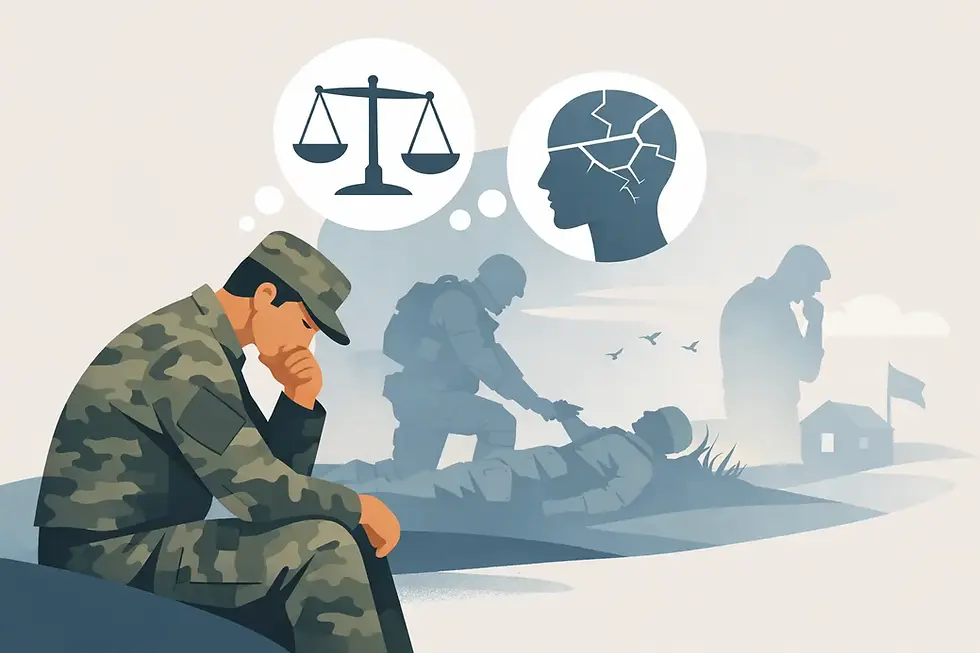
This is especially true for veterans, first responders, survivors of abuse, and people carrying complicated grief or addiction patterns. These clients often know what it means to stay functional while suffering. They may be highly intuitive and still deeply armored. If a practitioner pushes catharsis before trust is built, the body can clamp down harder.
A trauma informed approach does not treat a shutdown response as something to break through. It treats it as communication. It asks, what is this system protecting, and what would help it feel supported enough to shift? That is a very different posture than trying to fix someone.
Trauma informed energy healing and the nervous system
When people hear the phrase energy healing, they sometimes imagine something abstract. But trauma is not abstract, and neither is the impact it leaves. The nervous system learns from overwhelming events. It can stay stuck in hypervigilance, numbness, dissociation, irritability, exhaustion, or cycles of emotional overwhelm.
Trauma informed energy healing works with that reality rather than ignoring it. A session may include helping a person notice where they feel activated, disconnected, heavy, or depleted. It may involve clearing energetic residue, working with the breath gently, supporting grounding, or addressing spiritual and ancestral burdens that seem tied to the trauma pattern. The exact method depends on the person.
This is where nuance matters. Not every symptom is purely psychological. Not every struggle is purely energetic either. Sometimes trauma has emotional, spiritual, and ancestral dimensions all at once. A person may be carrying grief that was never expressed, fear that became lodged in the body, or family burdens that seem older than their own life story. Healing gets deeper when all of those layers can be acknowledged.
What a trauma informed energy healing session should feel like
A good session does not have to feel dramatic to be powerful. Often it feels steady, respectful, and precise. The client should not feel cornered. They should feel met.
That might look like the practitioner explaining what they are doing in plain language, checking for consent, and adjusting in real time if the client becomes overwhelmed. It might mean helping someone return to their body slowly instead of asking them to go deeper into pain before they have enough support. It might also mean recognizing when the system needs containment more than release.
For some people, the healing starts when they realize they do not have to perform wellness. They do not have to be spiritually polished or emotionally articulate. They can come in exhausted, skeptical, grieving, angry, or numb. Trauma informed care makes room for that.
Who this work can help
Trauma informed energy healing can be especially meaningful for people who feel like traditional approaches have only taken them part of the way. That includes people living with PTSD symptoms, veterans in transition, first responders carrying years of accumulated stress, those in recovery from addiction, and anyone whose grief or trauma has left them feeling fragmented.
It can also help people who are sensitive to energy and know that something deeper is affecting them, even if they cannot put it into clinical language. Some clients describe feeling spiritually cut off after trauma. Others feel like they have never fully returned after a loss, a betrayal, combat exposure, or a period of chaos. In those cases, energy work can support the return of presence, clarity, and personal power.
That said, this is not about replacing every other form of support. Sometimes the strongest path is layered. Therapy, medical care, community support, spiritual healing, and nervous system work can complement each other. It depends on the person, the history, and what kind of support is needed right now.
What makes this work different from symptom management
Many people are tired of managing symptoms without getting to the root. They can function, but they do not feel free. They can explain their trauma, but their body still reacts like the danger is present. They have insight, but not relief.
Trauma informed energy healing looks beneath the coping pattern and asks what is still unresolved. It does not deny the value of symptom reduction. Relief matters. Sleep matters. Emotional regulation matters. But deeper healing often requires more than trying to make the symptoms quieter.
It may require clearing old energetic imprints. It may require grief work that was postponed for survival. It may require tending to spiritual wounds, ancestral pain, or a shattered sense of identity. This is where practitioner-led healing can be so powerful, especially when guided by someone who understands trauma from lived experience and not just theory.
For clients in the Pacific Northwest and beyond, that kind of support can feel like a turning point. PNW Shamanic Healing was built around that reality - helping people who carry trauma, PTSD, grief, addiction, and energetic distress find a path that honors both the nervous system and the spirit.
How to know if a practitioner is truly trauma informed
The language matters, but the presence matters more. A trauma informed practitioner is not just using a popular phrase. They know how to work without overpowering the client. They respect consent. They understand triggers, shutdown, dissociation, and the need for pacing. They do not shame a client for needing time, boundaries, or rest after a session.
You should feel that your humanity is being honored, not managed. You should feel that your body’s signals are being respected. And you should never be made to feel weak because your system has learned to protect itself.
If you have been carrying trauma for years, it makes sense to be careful. It makes sense if trust takes time. Healing does not begin when you force yourself to open. It begins when your system recognizes that it no longer has to do this alone.
There is no prize for pushing past your limits. Real healing is often quieter than people expect. It arrives through steadiness, truth, and the gradual return of safety inside your own body.


Comments