
Grief: A Journey of Healing and Remembrance
- Jeremy

- Jul 2, 2025
- 4 min read
Updated: Aug 2, 2025
Understanding the Weight of Grief
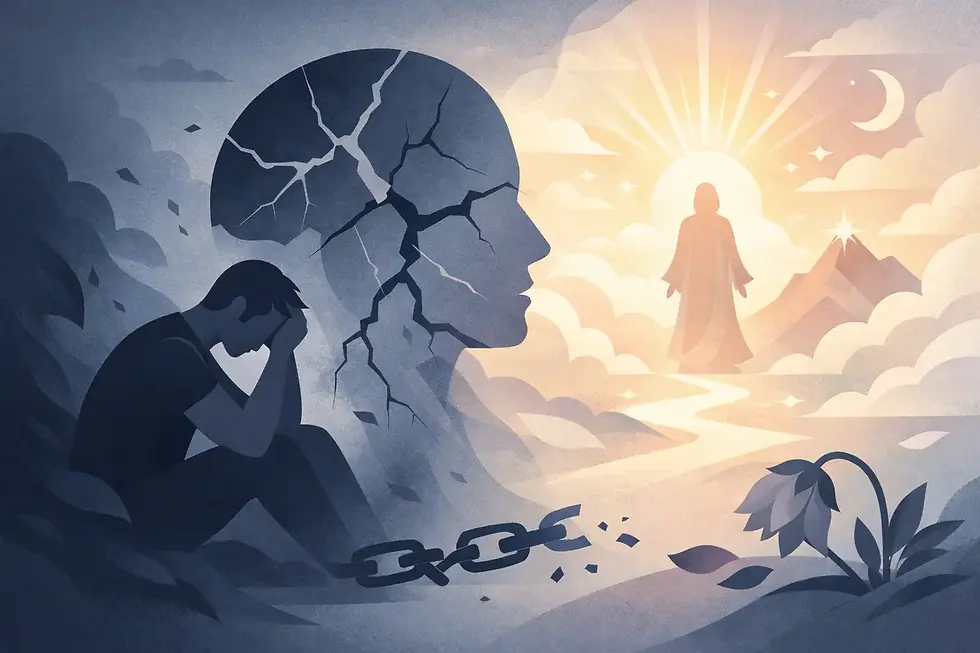
Grief has a way of stopping time. In the wake of loss, everything feels like it's been put on pause. The world continues to spin, and people go about their lives, but inside—there’s silence. A deep, aching stillness settles into the bones. We may find ourselves stuck, frozen in moments and memories, unsure how to take even one step forward without the person we’ve lost.
This is the hidden weight of grief. It’s not just sorrow; it’s disorientation. There’s a fear that moving forward means leaving them behind. If we start to smile again, to laugh, to love, we may feel we are betraying their memory.
But that isn’t what our loved ones would want for us.
Those who loved us in life wouldn’t want their passing to be the reason we stop living. They wouldn’t want our story to end because theirs did. If anything, they’d want us to keep going—for them, for ourselves, and for the ones still with us. To honor their life by continuing to live ours fully.
Moving Forward: A New Perspective
Moving forward doesn’t mean forgetting. It means learning how to carry their love with us in a different way. Their presence may no longer be physical, but the impact they made—the memories, the love, the lessons—those don’t fade. They live in us.
As we take those first few shaky steps out of the stillness of grief, something begins to shift. Life slowly starts to soften again. Light peeks through the cracks. A small laugh, an unexpected smile, a moment of peace—these are signs that healing is happening, even if we don’t feel ready.
In time, we begin to rebuild—not the life we had before, but a new one. A life where grief and joy can coexist. A life that still holds meaning and love. In doing so, we honor those we’ve lost by refusing to remain stuck in sorrow. We show them that their love was strong enough to help us heal.
Honoring Their Life in a Meaningful Way
One way to support the healing process is to find a way to actively honor those who have passed. This can look different for everyone, depending on beliefs and traditions. Some may choose to set up an ancestor altar with photos, candles, or mementos that keep the connection alive. Others may plant a tree in their loved one’s memory, create a piece of art, write a letter, or donate to a cause that reflects their values.
These acts are not about clinging to the past; they’re about transforming our pain into something beautiful and purposeful. They help us carry the legacy of those we've lost into the future, turning grief into remembrance, and remembrance into love in action.
If You Feel Stuck, Reach Out
Grief is a natural process, but sometimes it can become overwhelming. If you find yourself unable to move forward after a long period—if your days feel frozen, your energy drained, and your sense of hope lost—it’s okay to ask for help. Talking with a counselor, therapist, or grief support group can make all the difference. There is no shame in reaching out. Healing doesn't have to happen alone.
So if you're grieving, know this: you don’t have to rush. But you do have to move, even if it’s slowly. Even if all you can manage today is one small breath or one small step. Keep going. Not because you’re forgetting them, but because you remember them with every step forward.
And that is one of the greatest ways to say I love you.
Embracing the Journey of Grief
Grief is not a linear path. It twists and turns, often leading us to unexpected places. Each person's journey is unique. Some days may feel heavier than others, while on other days, you might find moments of joy. Embrace this journey. Allow yourself to feel the full spectrum of emotions.
The Importance of Self-Care
During this time, self-care becomes crucial. It’s easy to neglect our own needs while we’re grieving. However, taking care of ourselves is essential for healing. Simple acts like taking a walk, reading a book, or enjoying a warm bath can provide comfort. Nourish your body with healthy foods and ensure you get enough rest.
Finding Support in Community
Connecting with others who understand your pain can be incredibly healing. Whether through support groups, friends, or family, sharing your feelings can lighten the load. You may find solace in hearing others’ stories, realizing you are not alone in your grief.
Creating New Memories
As time goes on, consider creating new memories that honor your loved one. This could be through annual traditions, such as celebrating their birthday in a special way or visiting places that were significant to them. These new memories can coexist with the old, allowing you to cherish the past while embracing the present.
The Role of Forgiveness
Forgiveness is another aspect of healing. Sometimes, grief can bring up feelings of guilt or anger. Allow yourself to forgive—whether it’s forgiving yourself for moving on or forgiving others for their actions. This release can be freeing and is a vital part of the healing process.
Seeking Professional Help
If you find that grief is affecting your daily life significantly, seeking professional help is a wise choice. Therapists specializing in grief can provide tools and strategies to help you navigate your feelings. They can guide you through the complexities of grief, offering a safe space to express your emotions.
Conclusion: A Journey of Love
Grief is a testament to love. The depth of our sorrow reflects the depth of our love for those we've lost. As we navigate this journey, let us remember that healing is possible. It may take time, but with each step, we honor our loved ones and keep their memory alive.
In the end, moving forward is not about forgetting. It’s about carrying their love with us, allowing it to guide us as we create a new life filled with meaning and joy.


Comments